How Long Does a Roof Last in Michigan? A Guide for West Michigan Homeowners
A roof is one of the biggest investments you’ll make in your home, so it’s natural to wonder how long it should actually last. While many roofing materials are designed to provide decades of protection, the answer isn’t quite the same for every home.
In West Michigan, your roof has to handle snow, ice, heavy rain, strong winds, summer heat, and constant freeze-and-thaw cycles. Those conditions can all affect how quickly roofing materials age.
Understanding the expected lifespan of your roof — and the factors that can shorten it — can help you plan ahead instead of waiting for a leak or major roofing problem.
How Long Do Asphalt Shingle Roofs Last in Michigan?
Asphalt shingles are one of the most common roofing materials used on homes throughout West Michigan.
Depending on the type and quality of shingles, installation, ventilation, weather exposure, and maintenance, an asphalt shingle roof may last roughly 20 to 30 years or longer.
However, the age of the roof alone doesn’t determine when it needs to be replaced. Two roofs installed in the same year can age very differently depending on their exposure to weather and how they were originally installed.
A properly installed roof with good attic ventilation and quality materials may perform well for many years, while installation problems, storm damage, poor ventilation, or repeated moisture issues can shorten its useful life.
How Long Does a Metal Roof Last?
Metal roofing is another option for West Michigan homeowners looking for long-term durability.
Depending on the type of metal roofing system, installation, environment, and maintenance, a quality metal roof can often last 40 to 70 years or more.
Metal roofing can also stand up well to many of the conditions we experience in Michigan, including snow, rain, wind, and temperature changes.
The longer potential lifespan is one reason some homeowners consider metal when it’s time for a full roof replacement.
Why Michigan Weather Can Affect the Life of Your Roof
Michigan weather puts roofing systems through a lot over the course of a year.
During winter, temperatures can repeatedly move above and below freezing. Snow can melt during warmer periods and refreeze as temperatures drop.
Spring and summer can bring heavy rain, thunderstorms, hail, and strong winds. Your roof is also exposed to heat and UV rays throughout the warmer months.
Over years of exposure, these conditions can contribute to:
- Shingle deterioration
- Granule loss
- Cracking or curling shingles
- Loose or missing shingles
- Damaged flashing
- Moisture intrusion
- Ice dam problems
- Premature aging
This is why the manufacturer’s expected lifespan is only one part of determining how much life your roof actually has left.
Attic Ventilation Can Make a Big Difference
One factor homeowners sometimes overlook is attic ventilation.
Proper ventilation helps regulate heat and moisture underneath the roofing system. Without adequate ventilation, excessive heat and moisture can build up in the attic and potentially contribute to premature deterioration of roofing materials.
Moisture problems can also affect insulation, roof decking, and other components of the roofing system.
When evaluating an aging roof, it’s important to look beyond the shingles themselves and consider how the entire roofing system is performing.
Storm Damage Can Shorten a Roof’s Lifespan
A roof doesn’t necessarily age gradually.
One significant West Michigan storm can change the condition of a roof very quickly.
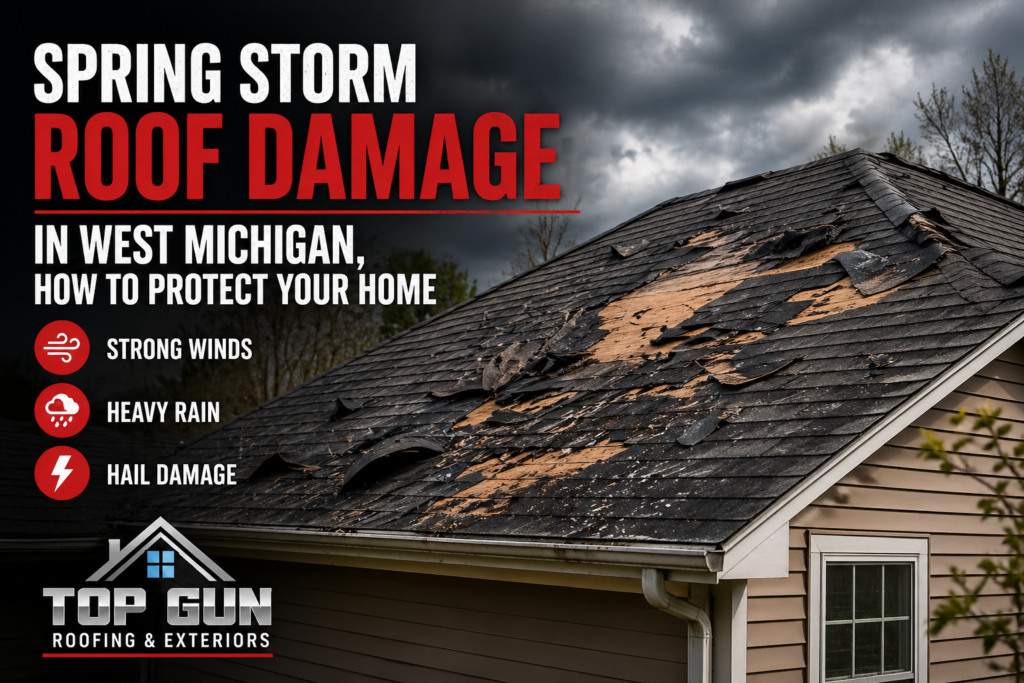
High winds can lift or remove shingles, while hail can damage shingles and loosen protective granules. Falling limbs and wind-driven debris can cause additional damage.
Some storm damage is obvious from the ground, but other damage can be difficult for a homeowner to identify.
If your neighborhood experiences severe weather, having your roof inspected can help determine whether damage occurred — even if you don’t currently see a leak.
Trees and Debris Can Affect Your Roof Too
Large trees can provide shade, but they can also affect the condition of a roof.
Leaves, pine needles, branches, and other debris can collect on the roof or in gutters. Areas that stay damp for extended periods may experience faster deterioration.
Overhanging branches can also rub against roofing materials or cause damage during storms.
Keeping gutters clear and trimming problematic branches can help protect both your roof and drainage system.
Signs Your Roof May Be Reaching the End of Its Life
You don’t necessarily need to replace a roof simply because it reaches a certain age. Instead, look at the age and condition together.
Some signs that an older roof deserves a closer look include:
- Curling, cracked, or deteriorating shingles
- Missing or loose shingles
- Excessive granules collecting in gutters
- Repeated roof leaks
- Visible sagging or decking concerns
- Damaged or deteriorating flashing
- Water stains inside the home or attic
- Increasing numbers of repairs
- Widespread wear across multiple areas of the roof
A single damaged shingle doesn’t automatically mean you need a new roof. On the other hand, continually repairing an aging roofing system may eventually stop making financial sense.
Should You Repair or Replace an Older Roof?
The right answer depends on the condition of the roof.
If the roofing system is relatively young and the problem is isolated, a repair may be all that’s necessary.
If the roof is approaching the end of its expected lifespan and problems are becoming widespread, replacement may make more sense than continuing to invest in individual repairs.
That’s one reason a professional inspection can be valuable. It gives you a better understanding of the roof’s current condition before you make a major decision.
Don’t Wait Until Your Roof Starts Leaking
A leaking roof definitely gets your attention, but a leak shouldn’t be the first time you think about the condition of your roof.
Many roofing problems begin before water becomes visible inside the home.
If you know your roof is getting older, aren’t sure when it was installed, or have recently experienced severe weather, having it inspected can give you a much clearer picture of its condition.
Schedule a Free Roof Inspection With Top Gun Roofing & Exteriors
Not sure how much life your roof has left?
Top Gun Roofing & Exteriors offers FREE roof inspections for homeowners throughout West Michigan. Our team can evaluate the condition of your roofing system, identify areas of concern, and help you understand your options.
Whether your roof still has years of life left, needs a repair, or it’s time to start planning for replacement, we’ll give you straightforward recommendations based on what we find.
No pressure. No obligation. Just honest answers from a locally owned and locally accountable West Michigan roofing company.
Contact Top Gun Roofing & Exteriors today to schedule your FREE roof inspection or estimate.
Frequently Asked Questions About Roof Lifespan in Michigan
How long does an asphalt shingle roof last in Michigan?
An asphalt shingle roof may last approximately 20 to 30 years or longer, depending on the quality of the shingles, installation, attic ventilation, maintenance, and exposure to Michigan weather. Severe storms and other conditions can shorten the lifespan of a roof.
How do I know how old my roof is?
If you don’t know when your roof was installed, check home improvement records, previous inspection reports, permits, or paperwork from when you purchased the home. A professional roofer can also inspect the roof and help estimate its age based on the condition of the shingles and roofing system.
Does Michigan weather shorten the life of a roof?
Michigan’s changing weather can contribute to roof wear over time. Snow, ice, freeze-and-thaw cycles, high winds, hail, heavy rain, summer heat, and UV exposure can all affect roofing materials.
Can a 20-year-old roof still be in good condition?
Yes. Age is only one factor when evaluating a roof. A well-installed and properly ventilated 20-year-old roof may still be performing well, while a newer roof that has experienced installation problems or significant storm damage may need attention sooner.
Should I replace my roof before it starts leaking?
Not necessarily, but you also don’t need to wait for a leak before having an aging roof evaluated. If your roof is approaching its expected lifespan, showing widespread wear, or has experienced significant storms, an inspection can help you determine whether repairs or replacement should be considered.
How often should I have my roof inspected?
It’s a good idea to have your roof evaluated when you notice signs of damage, after significant storms, or as the roof gets older. An inspection can identify potential issues before they develop into more expensive problems.
How long does a metal roof last in Michigan?
Depending on the roofing system, installation, environment, and maintenance, a quality metal roof can often last 40 to 70 years or more. Its durability and potential lifespan are two reasons some West Michigan homeowners consider metal roofing when replacing a roof.
Does Top Gun Roofing & Exteriors offer free roof inspections?
Yes. Top Gun Roofing & Exteriors offers FREE roof inspections for homeowners throughout West Michigan. Our team can evaluate your roof’s condition and explain what we find so you can make an informed decision about repairs or replacement.